Low bridge fit glasses are designed for people whose nose bridge sits lower or flatter than standard frame assumptions. If glasses slide down, rest on your cheeks, or sit too close to your eyes, low bridge fit may solve the problem.
This is especially common for many Asian faces, but it is not limited to one ethnicity. It is about nose bridge shape, cheek position, and how the frame sits on the face.
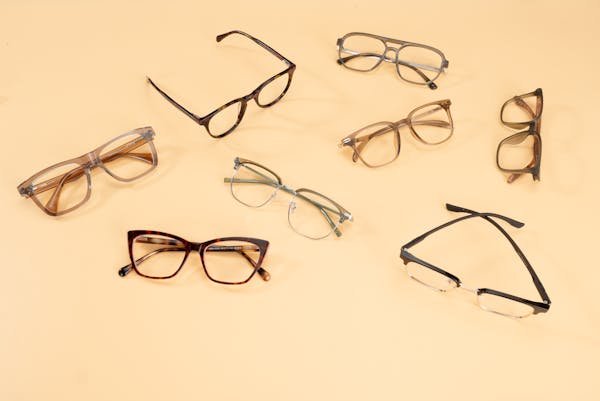
What Low Bridge Fit Means
Low bridge fit glasses usually have one or more of these features:
- Larger or adjustable nose pads
- A narrower or better-positioned bridge
- More space between the lenses and cheeks
- A frame shape that sits higher without sliding
- Less lens tilt against the face
The frame should stay stable without touching your cheeks or sliding down your nose.
Signs You Need Low Bridge Fit Glasses
You may need low bridge fit if:
- Your glasses slide down even when the temples are adjusted
- The lower rim touches your cheeks when you smile
- Your eyelashes touch the lenses
- The frame sits too low on your face
- Standard acetate frames leave pressure marks
If several of these happen, the issue is probably bridge fit, not just frame size.
Best Frame Types for Low Bridge Fit
Frames with adjustable nose pads
Adjustable nose pads are the easiest solution. They let the frame sit higher and farther from the face.
Metal frames often have adjustable pads by default.
Keyhole bridge frames
Some keyhole bridges can work because they distribute weight differently. However, they do not solve every low bridge problem, so try-on matters.
Lightweight frames
Lighter frames slide less because there is less weight pulling them down. Thin metal, titanium, and lightweight acetate are good options.
Low bridge acetate frames
Some acetate frames are specifically designed with built-in nose support for low bridges. These are better than standard acetate if you want a thicker frame.
What to Avoid
Avoid heavy acetate frames with tiny built-in nose rests if they slide down. Also avoid frames that sit directly on the cheeks or tilt forward.
A beautiful frame is not useful if you keep pushing it back up all day.
Low Bridge Fit vs Asian Fit
"Asian fit" and "low bridge fit" are often used for similar frame adjustments, but low bridge fit is the clearer term. It describes the actual fit issue rather than assuming ethnicity.
If your nose bridge is lower, your cheeks sit higher, or standard frames slide, search for low bridge fit.
Try Low Bridge Glasses Before Buying
Photos cannot fully prove comfort, but they can show whether frames sit too low, too wide, or too heavy. Use TryBestSpecs to compare low bridge friendly shapes on your face before choosing.
FAQ
Who needs low bridge fit glasses?
Anyone whose glasses slide down, touch the cheeks, or sit too close to the eyes may need low bridge fit.
Are low bridge fit glasses only for Asian faces?
No. They are common for many Asian faces, but anyone can need low bridge fit depending on nose bridge shape.
Are nose pads better for low bridges?
Adjustable nose pads often help because they let the frame sit higher and more securely.
Can acetate glasses work for low bridge fit?
Yes, but standard acetate may slide. Look for acetate frames designed specifically for low bridge fit.
Final Check
Low bridge fit glasses solve a real comfort problem. Start with adjustable nose pads, lightweight frames, and low bridge acetate designs, then use AI try-on to check how the frame sits on your face.